Bully Dogs: How a Local Rescue Works to Fight Stigma
Does the word “bully” refer to a human? That was the question I asked myself when I first saw the flyer for the “2026 Bully Bash Festival.” At first, I thought it was a peculiar name for an event bringing awareness to bullying. I was completely wrong! The “Bully Bash Festival” had absolutely nothing to do with people. It was all about celebrating and fighting the stigma against “bully breed” dogs—pit bulls, mastiff dogs, bulldogs, Boston terriers—muscled dogs with broad heads and heavy bone structures. These breeds are commonly stereotyped as being violent and unpredictable.
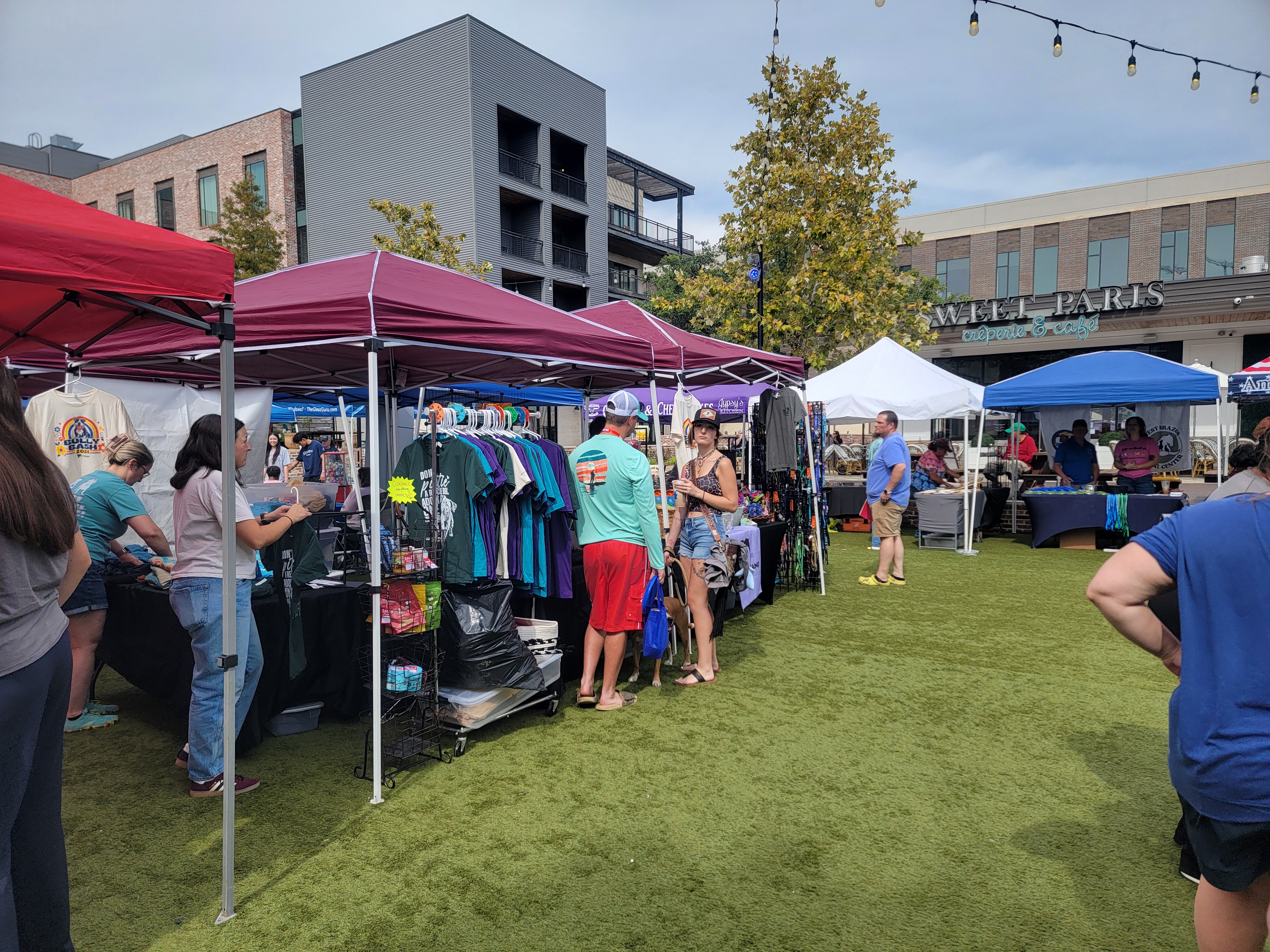
I had no prior knowledge of bully breeds before walking into this festival; I’ve never even owned a dog. Despite that, the liveliness of the festival made it hard for me to ignore. Multiple colorful stands lined Century Square, each of them providing and selling various pet services and goods. Some of them had treats and miniature accessories lined up for display, while others had flyers for their growing pet business.
“Make A Stand Bully Rescue” is a foster-based rescue, specializing in bully breed adoptions, meaning that their dogs up for adoption are taken from overcrowded shelters or high-risk euthanasia lists. Despite being founded and based in Bryan, their reach extends much further. They allow people from other states, all the way to Canada, to adopt a Texas bully dog.
As soon as I stepped into the event, I ended up meeting Amanda Dowell, the Director of Operations of the event. She stood beside a Cane Corso with big, dark eyes, lying beside her. Curious, I asked who this dog was. Her name was Renata. Amanda went on to tell me the story of how she had rescued Renata out of the shelter after all her puppies were adopted—one by one. It took a while for Renata to gain trust in humans, but once she did, she proved to be an empathetic and loyal dog.
With so many people visiting to support and uplift the organization, I was curious whether people’s opinions of bully breeds have changed over time. “Yes,” she told me, “generally for people looking to adopt bully dogs.” This caught me off guard. Wouldn’t individuals make up the collective of attitudes? Who or what else would still require a change? “Establishments,” she replied. “Some apartment complexes still don’t allow bully breeds, just because of the stigma that they're aggressive.”
This sentiment wasn’t exclusive to establishments. A bright-blue stand caught my eye, adorned with images of dark-navy puppies. The vendor was running a pet-bathing company, open to any and every breed of dog. I asked about her experience. “Some bathing companies turn away bully breeds,” she replied. “We bathe all types of dogs.” Once again, to my surprise, accepting all dog breeds isn't commonplace in every company—some will entirely refuse these breeds due to stigma.
10/25/2026
This belief couldn’t prove to be more untrue as I went wandering around, watching dogs and puppies happily interacting with humans. A woman asked to pet someone else’s American Bulldog. She reached out her hand, and the bulldog gently inspected it before allowing her to excitedly scratch behind its ears.
I went around talking to the other vendors, many of whom have had years and years of experience working with all types of dogs. I asked what they thought of the stigma attached to bully breeds. Their sentiments were unanimous. The biggest stigma around them—that they’re naturally aggressive, more prone to attacking than other dogs—isn’t true. Some may adopt and treat these dogs as if they are already aggressive, encouraging the dogs to act in that manner. Some may not socialize and care for the dogs properly, something that is important in every dog.
Attending a “Bully Bash Festival” is something I never thought I’d do, let alone learn so much about how deeply stereotypes can impact an entire breed of dogs. While the stigma is still prevalent, there are entire organizations dedicated to giving these bully dogs the love and support they need.
More Like This
MORE FREQUENCY